Chicago's Soft Drink and Bottled Water Taxes in Your Break Room
If you manage a building inside Chicago city limits, the drinks in your break room carry two city taxes that a machine ten miles away in the suburbs doesn’t: a 3% tax on soft drinks and a 5-cent tax on every bottle of water. Most employees never notice them. Facility managers comparing prices between a downtown office and a suburban warehouse sometimes do.
Here’s what each tax covers, who collects it, and what it means for the price on the machine.
This is a practical overview, not tax advice. Rates and rules are as published by the state and the city on the date of this post; check the linked sources for anything you’re relying on.
The 3% Chicago soda tax
The Illinois Department of Revenue describes the tax as a Chicago home rule municipal tax on soft drinks. The rate is 3 percent of gross receipts from soft drinks sold at retail in the city, and it’s imposed on the people who sell canned or bottled soft drinks at retail in Chicago.
A few things worth knowing:
- The state collects it for the city. Sellers report it to the Illinois Department of Revenue, which sends the money, minus a 2 percent administrative fee, to Chicago each month.
- It’s on the seller. The tax is imposed on whoever sells the drink at retail, not on the building.
- It applies to canned and bottled drinks. That’s what goes in a vending machine or a micro market cooler.
What counts as a “soft drink”
The definition matters more than the rate, because it decides which bottles in the machine are taxed. The Department of Revenue’s soft drink definition includes:
- soda,
- sport and energy drinks,
- sweetened tea,
- water with natural or artificial sweeteners, and
- drinks that are 50 percent or less fruit or vegetable juice.
It excludes, among other things:
- unsweetened tea,
- drinks containing milk or milk products,
- drinks that are more than 50 percent natural fruit or vegetable juice, and
- carbonated or still water with no sweeteners.
So in a typical break room cooler, the cola, the sports drink and the sweet tea fall under the 3% tax. The plain bottled water, the unsweetened iced tea and the chocolate milk don’t.
Fountain drinks are a separate tax
Fountain drinks, the kind mixed from syrup and water, aren’t part of the 3% tax. The City of Chicago has a separate Fountain Soft Drink Tax that applies to businesses selling soft drink syrup to Chicago retailers. Break room vending doesn’t use fountain syrup, so it rarely comes up for us.
The 5-cent Chicago bottled water tax
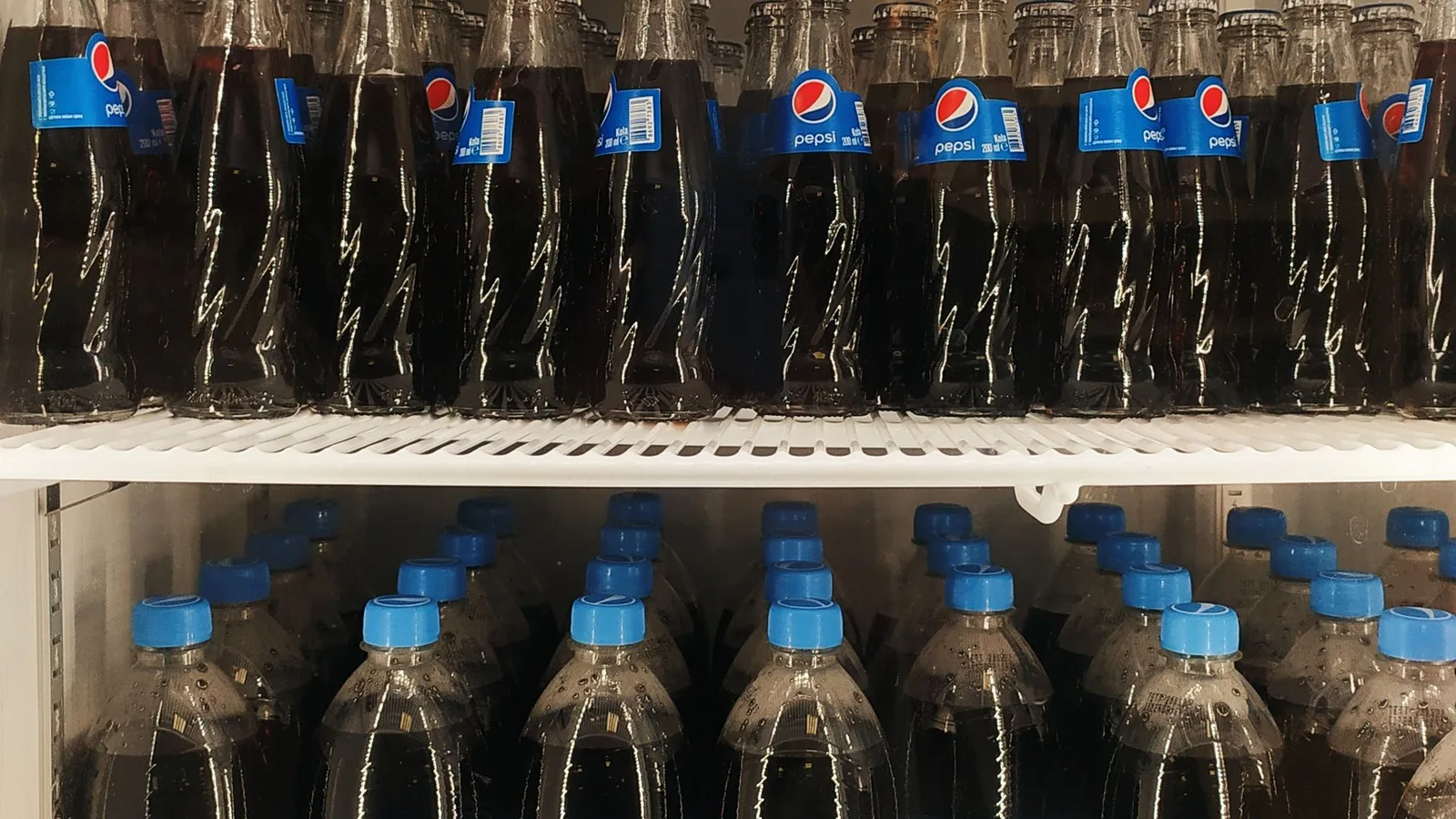
Plain bottled water is out of the soft drink tax, but it has its own 5-cent tax. According to the City of Chicago Department of Finance, the Bottled Water Tax applies to the retail sale of bottled water in the city at $0.05 per bottle.
- It’s per bottle, not a percentage. A small bottle and a large bottle carry the same 5 cents.
- Wholesalers collect it. The city requires wholesalers to collect the tax, and retailers collect it if the wholesaler doesn’t.
- The city lists one exemption: sales of bottled water to passengers on an interstate carrier. That doesn’t apply to an office or warehouse.
Because it’s a flat amount, the 5-cent tax is a bigger share of the price on a cheap bottle than on an expensive one.
What the taxes mean at the machine
On a vending machine, the price on the selection is what the employee pays. There’s no separate tax line at checkout.
A few practical points for Chicago buildings:
- Employees pay for what they buy. With full-service vending, the price on the selection is the price they pay. See What Does Office Vending Cost a Business?
- A subsidy can offset it. If the extra cost bothers you, your company can subsidize drink prices, covering part of each purchase so employees pay less. You set the amount.
Do suburban buildings pay these taxes?
No. Both are City of Chicago taxes. A machine in a building inside city limits is subject to them; a machine in Schaumburg, Itasca or Naperville isn’t.
Both taxes at a glance
| Chicago soft drink tax | Chicago bottled water tax | |
|---|---|---|
| Rate | 3% of gross receipts | $0.05 per bottle |
| Covers | Canned and bottled soft drinks (soda, sports and energy drinks, sweetened tea and water, low-juice drinks) | Bottled water sold at retail |
| Collected by | Illinois Department of Revenue, for the city | Wholesalers, or retailers if the wholesaler doesn’t |
| Applies in the suburbs? | No | No |
| Billed to your business? | No, the price at the machine is what employees pay | No, the price at the machine is what employees pay |
For a building inside Chicago city limits, both taxes are part of the price at the machine. To see what your break room would look like, Get a Quote.
Common questions
How much is the Chicago soda tax?
It's 3 percent of the gross receipts from soft drinks sold at retail in Chicago. It applies to canned and bottled soft drinks, and the Illinois Department of Revenue collects it on the city's behalf.
How much is the Chicago bottled water tax?
It's $0.05 per bottle of water sold at retail in the city. Wholesalers are required to collect it, and retailers collect it if the wholesaler doesn't.
Do these taxes apply to vending machines in the suburbs?
No. Both are City of Chicago taxes, so they apply to sales inside city limits. A machine in Schaumburg, Itasca or Naperville isn't subject to them.
Does my business pay these taxes on break room vending?
With full-service vending, the price shown at the machine is what employees pay; there's no separate tax line at checkout.